Nestled between the St. Johns River and the Atlantic Ocean, Deland, Florida, is a city that beautifully melds its rich history with a vibrant, contemporary lifestyle. Known for its historic downtown area, the Athens Theatre, and the esteemed Stetson University, Deland is a city teeming with charm.

Another standout feature of this remarkable city is Blitz Roofing, a leading roofing company providing top-quality services to the residents of Deland and its surroundings.
At Blitz Roofing, we understand the importance of a sturdy, reliable roof, especially when living in Florida’s unpredictable weather. Just as Deland’s Gillespie Museum protects its precious mineral and gem collection, we strive to shield your homes with the same diligence and care.
Our team of experienced professionals specialize in a variety of services including roof repair, installation, and maintenance. Whether it’s a minor leak needing attention or a complete roof overhaul, we’ve got you covered. We use only the highest-quality materials, ensuring your roof stands the test of time and Florida’s weather.
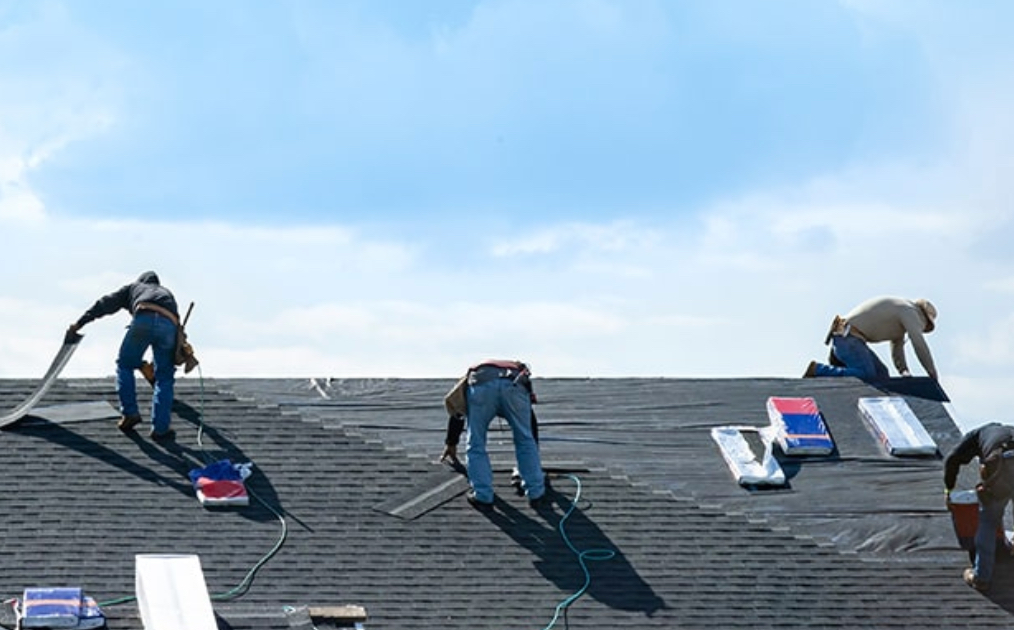
We recognize the value of time, which is why we ensure quick turnaround times. Just as you wouldn’t want to wait in line at the De Leon Springs State Park, we aim to minimize disruptions caused by lengthy roof repairs or installations.
As part of our commitment to customer service, we provide free quotes for all our services. To learn more or to request your free quote, visit our website and hire the best Deland Roofing Contractors.
We are devoted to delivering exceptional customer service and top-notch roofing solutions to the residents of Deland, Florida. Experience the peace of mind that comes with knowing your roof is in the best hands with Blitz Roofing, allowing you more time to enjoy the city’s enchanting Old Florida Museum or a scenic boat tour along the St. Johns River.
Why Deland Boasts the Best Roofing Contractors
Deland, a gem in Florida’s heartland, is not just known for its rich history and vibrant arts scene. It’s also recognized for housing some of the best roofing contractors in the industry. But what makes Deland’s roofing contractors stand out from the rest? Let’s delve into the reasons.
The Rich Tradition and Expertise:
Deland’s history is intertwined with construction and craftsmanship. Over the decades, this city has seen a lineage of builders and roofers passing down their skills from one generation to the next. This deep-rooted tradition ensures that when you hire a roofing contractor from Deland, you’re not just getting a service; you’re benefiting from years of accumulated knowledge and expertise.
Adaptation to Local Florida Climate:
Florida’s weather can be unpredictable, with its scorching sun, heavy rains, and occasional hurricanes. Deland’s roofing contractors are well-acquainted with these challenges. They know precisely which materials to use and what techniques to employ to ensure roofs remain intact and durable, regardless of what Mother Nature throws their way.
Comprehensive Roofing Training:
The best roofing contractors never stop learning. In Deland, continuous training is a hallmark of the profession. Many local contractors regularly attend workshops, seminars, and certification programs to stay updated with the latest roofing technologies and best practices. This commitment to ongoing education ensures that they bring the best and most innovative solutions to their clients.
Customer First Approach:
Deland’s roofing contractors are renowned for their customer-first mentality. They understand that every roofing project is unique and requires a tailored approach. From the initial consultation to the final inspection, they ensure transparent communication, understanding client needs, and delivering beyond expectations. This dedication to customer satisfaction has earned them a stellar reputation and a plethora of positive reviews.
Roofing Contractor Versatility:
Whether it’s a residential home, a commercial building, or a historical landmark, Deland’s contractors have the skills to handle diverse projects. Their versatility extends not just to the types of buildings they work on but also to the range of services they offer, from installations and repairs to maintenance and inspections.
Use of High-Quality Materials for Deland Homes:
Quality workmanship deserves quality materials. Deland’s roofing contractors are particular about sourcing the best materials from reputable suppliers. Whether it’s durable shingles, robust metal sheets, or eco-friendly tiles, they ensure that the materials used complement their high standard of work, resulting in roofs that are both beautiful and long-lasting.
Local Deland Involvement:
Many of Deland’s roofing contractors are not just business entities; they’re an integral part of the community. They participate in local events, sponsor community initiatives, and often offer their services for community projects. This involvement showcases their commitment not just to their profession but also to the community they serve.
Safety First:
Roofing can be a hazardous job. However, the best contractors in Deland prioritize safety above all. They invest in safety training for their teams, ensure the use of proper safety gear, and follow strict safety protocols on every job site. This emphasis on safety ensures that projects are completed without accidents, protecting both the workers and the homeowners.
Why Choose Deland?:
Deland’s reputation for having the best roofing contractors isn’t mere hearsay; it’s backed by tangible factors that set these professionals apart. Their blend of tradition and modernity, commitment to quality, and dedication to customer satisfaction make them the go-to choice for all roofing needs. When you opt for a Deland roofing contractor, you’re choosing excellence, reliability, and peace of mind.
Blitz Roofing And Construction
121 W Plymouth Avenue
DeLand, FL 32720
386-703-3303




 The prospective Buyer and its business brokers, attorneys, accountants, business appraisers and other professionals will have a specified period of time to complete a thorough review of the Seller’s books and records, inspect the business premises and take other appropriate steps to verify the Seller’s representations and remove all contingencies (typically 5-10 days). The prospective Buyer and his/her advisors must utilize due diligence in completing their review of Seller’s business in a timely manner. When the due diligence process is completed and all contingencies are removed, the contract becomes binding. Should the business fail to pass due diligence review, the prospective Buyer may withdraw, modify or amend the Purchase Offer. The due diligence procedure is costly and time-consuming. It is only initiated after the respective Buyer and Seller have reached an agreement on price and terms.


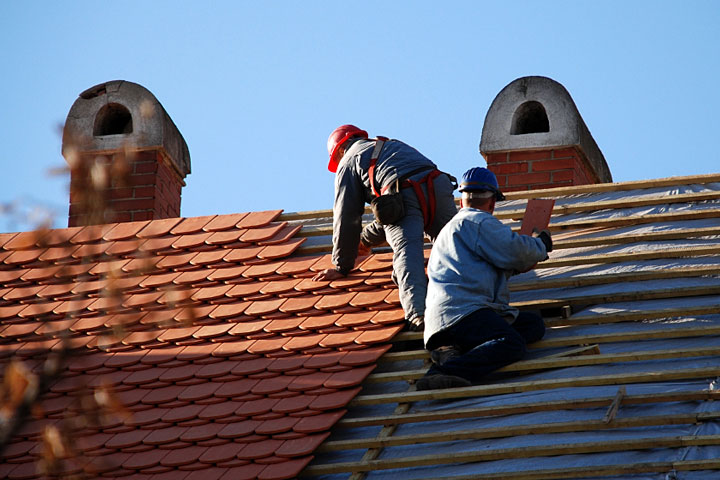
 your roof was installed? Roofs that were built 30 years ago were made of much different and less durable materials, than what is used today. Old shingles will start to crack causing your roof to leak.